Three programmes for a large eye care hospital network in Tamil Nadu, reaching allied staff, mid-level managers and senior leaders. Each one built around how hospital teams actually work.
3programmes, from allied staff to senior leadership
50+allied ophthalmic staff in one programme alone
2cities: Chennai and Madurai
Locations
Chennai and Madurai
Levels
Allied staff, mid-level managers, senior leaders
Format
In-person, cohort-based, with live projects
Language
Tamil and English
1The challenge
Long shifts, heavy patient flow, and too few people to share the load.
Hospital teams carry clinical work, administration and patient care at once. The people in the middle, the counsellors, coordinators and supervisors, hold it together, often without structured leadership development.
~75%of surveyed resident doctors reported burnout from workload and long shifts1
30.2skilled health workers per 10,000 people, against the WHO norm of 44.52
72%of hospital beds and skilled staff are in urban areas2
The patterns we hear most often in hospitals:
HODs and clinical leads who avoid difficult conversations
Teams that wait to be told
Frontline staff who complete tasks but miss the patient experience
Mid-level leaders who know the strategy but cannot move their people
Sources
Annals of Indian Psychiatry, peer-reviewed study of resident doctors
PRS India, Demand for Grants 2024-25: Health and Family Welfare
2What we delivered
One partner, three levels of the hospital.
Each programme started from what the hospital's leadership and the staff themselves told us, and was built for that level's day-to-day reality.
Mid-level managers and second-line leaders
Naan, Nee, Naam
Where
Chennai
Who
Counsellors, coordinators, supervisors and department leads
Format
In-person sessions, workbooks and cross-department live projects
Language
Tamil and English
Focus areas
Managing yourself under pressure
Leading and developing the people you manage
Working across departments as one team
Real process improvements, run by mixed teams
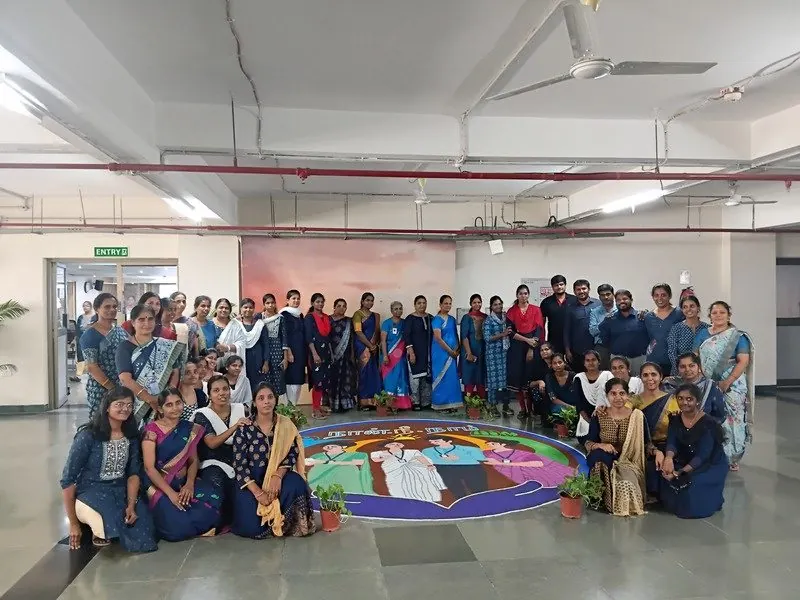
Mid-level allied ophthalmic staff
Tvisha
Where
Chennai and Madurai
Who
50+ allied ophthalmic personnel
Format
Live, cohort-based sessions
Focus areas
A clear purpose behind the work
Prioritising and planning a busy clinic day
Staying calm in urgent situations
Balance across work and life
Next-generation senior leaders
MyB
Who
Leaders preparing to take on senior roles
Journey
Two years
Format
Workshops, self-reflection, coaching and applied learning
Focus areas
Leading with clarity and awareness
Decision-making under pressure
Executing with discipline
3In the room
Learning by doing, together.
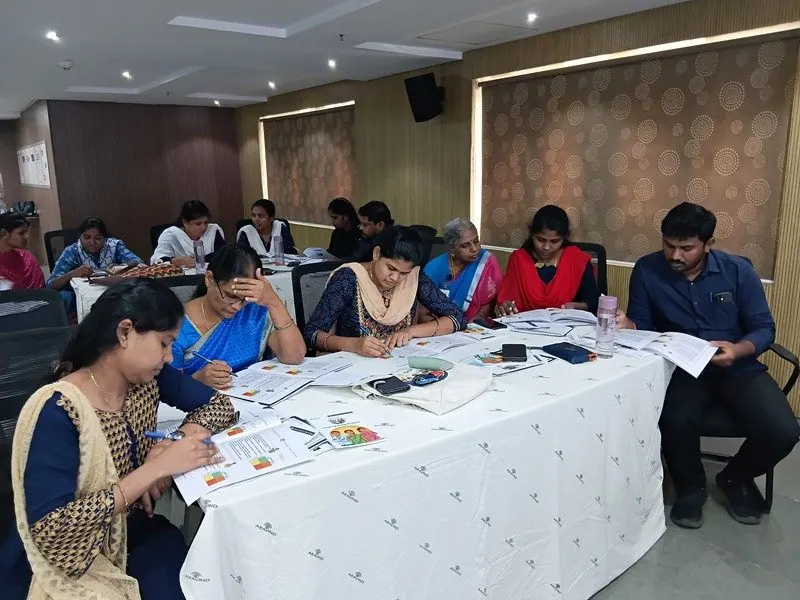
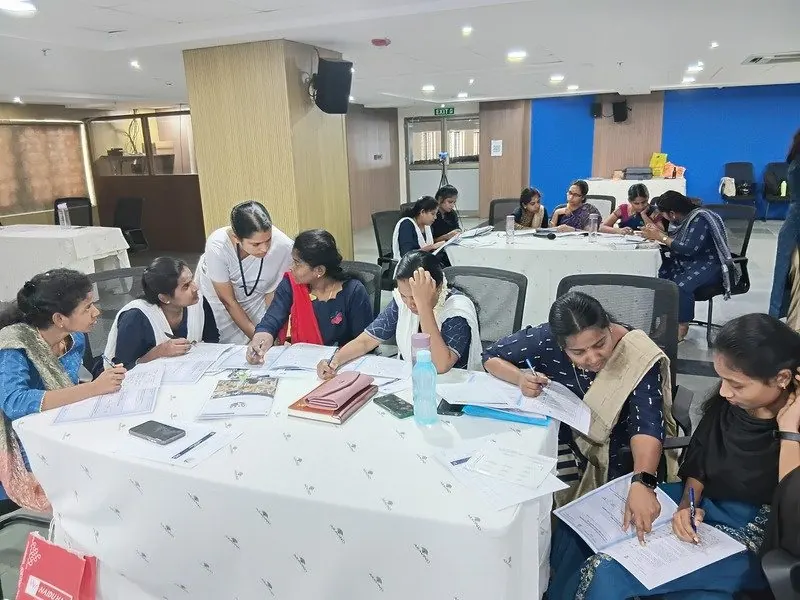
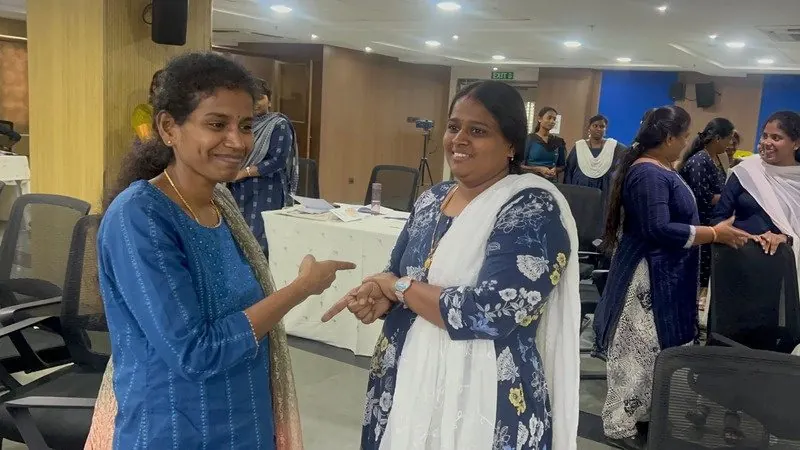
Sessions mix short activities, group discussion and quiet reflection, so people see their own responses before talking about the idea behind them. Mixed teams from different departments then take the learning into real process improvements at the hospital.
4Results
What participants told us.
97%of allied staff would recommend their programme
88%of mid-level leaders rated their session as excellent
94%felt the facilitator's pace was right
5In their words
Participants, in their own words.
From the last session until now, I've learned a lot, and I can also see positive changes in the people I work with. The staff, from the OT to the ground floor, are cooperating really well.
Senior Counsellor
I also learned that triggers can be both internal and external, and that how we respond to them depends on how we choose to look at them.
Retina Department
I realised that I had many blindspots within myself. I used to get angry easily and rarely took time to reflect on myself. The session helped me understand who I am with great clarity.
Supervisor
The examples reminded me that encouragement and support can come from anyone, regardless of seniority. As leaders, we should support each other and stay positive when challenges arise.
Calling Department
One of the biggest growth spurts.
Chief Medical Officer
Looking for a programme like this for your hospital teams?
Speak to us for a customised solution, built around your levels, your departments and your language.